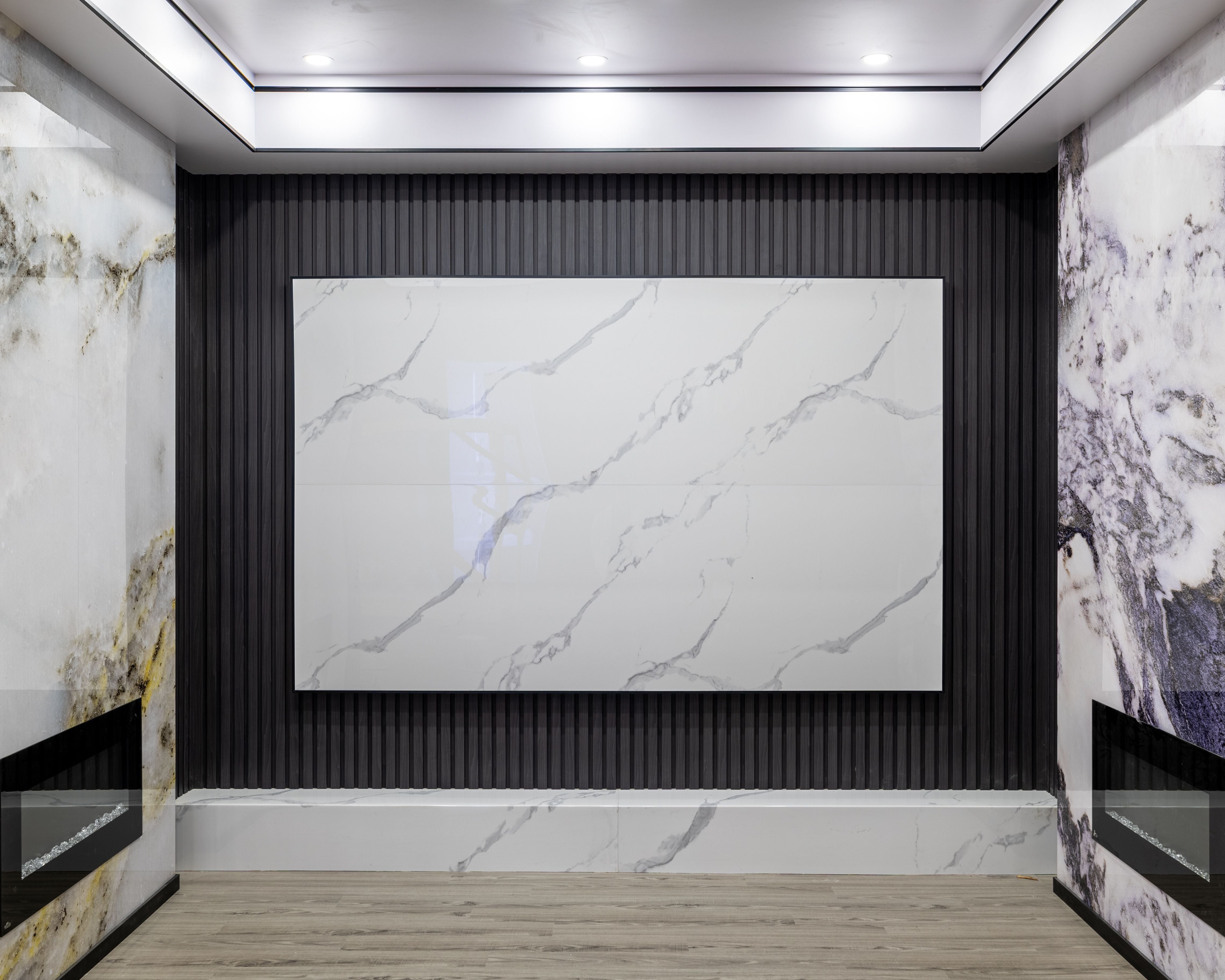


PVC, WPC or Bamboo fiber Composite? The Ultimate Guide to Outdoor Fluted Panels in Ontario

Choosing the right material for outdoor fluted wall panels is one of the most important decisions in exterior design. Today’s market offers several common options, including aluminum battens, co-extruded WPC composite, solid wood, PVC-based products, and fiber cement systems. Each material has its own strengths in appearance, maintenance, fire performance, and long-term durability. The best choice depends on whether your project prioritizes natural wood texture, low maintenance, weather resistance, or code-driven exterior performance.
1. Aluminum Battens: Durable, but Not Without Drawbacks

Aluminum battens are widely used in modern exterior design because they offer strong weather resistance, low maintenance, and a clean architectural appearance. They are often chosen for facades, privacy screens, and decorative cladding systems where long-term outdoor performance is a priority.
However, aluminum is not a perfect solution for every project. One of the most common concerns is that, despite its durability, aluminum can still dent or scratch relatively easily when exposed to hail, falling branches, impact, or accidental collision. In high-traffic or high-impact areas, visible dents may be difficult to repair without replacing the affected section.
Noise is another issue that some homeowners notice. During heavy rain, hail, or strong wind, aluminum systems can produce a more noticeable rattling or pinging sound compared with denser or thicker cladding materials. While insulation and installation methods can help reduce this effect, they do not always eliminate it completely.
Cost is another factor to consider. In many markets, aluminum systems are more expensive than basic vinyl-based options, and pricing may fluctuate depending on metal market conditions. While aluminum is often valued for performance, it is not always the most budget-friendly choice for cost-sensitive projects.
Finally, although aluminum does not rust like steel, it may still face corrosion-related issues in coastal environments if the finish or protective coating is compromised. Salt-heavy air can accelerate surface deterioration, making proper coating quality and periodic inspection especially important in those locations.
For these reasons, aluminum remains a strong exterior material, but it is not always the most forgiving, the most natural-looking, or the most cost-effective option depending on the project.
2. Co-Extruded WPC Composite: Popular for Wood-Look Exteriors, but Not Always the Most Refined Choice

Co-extruded WPC composite is widely used in exterior wood-look applications because it offers decent weather resistance and lower maintenance than natural wood. For many projects, it provides a practical entry point into the outdoor composite category.
That said, one of the most common concerns with standard WPC products is that they often begin to show small weaknesses after extended use. Under long-term sun exposure and heat, some lower-density WPC materials may gradually fade, discolor, or lose their original richness in tone. Over time, this can make the surface look older and less premium than expected.
Another limitation is visual realism. Although WPC is designed to imitate wood, many standard products still reveal a more artificial texture and less natural grain detail, especially in close-up viewing. For projects that prioritize a refined architectural finish, this difference can be noticeable.
Durability is another area where product quality matters. Some WPC boards are more prone to surface scratches and visible wear, and if installation gaps are not handled properly, moisture and temperature changes can lead to expansion, movement, or deformation. In lower-grade products, long-term outdoor performance may not always match the original sales promise.
For buyers who want a more premium wood-look result, the challenge is not whether WPC works at all, but whether a standard WPC system can truly deliver the appearance, density, and long-term stability they expect.
3. Solid Wood: Natural Beauty, but More Maintenance

Solid wood remains one of the most attractive materials for outdoor slat and fluted wall designs because of its authentic grain, warmth, and premium natural appearance. For many designers and homeowners, it still offers the most refined and organic visual effect.
However, solid wood also comes with several well-known drawbacks in exterior applications. One of the biggest concerns is that wood is naturally affected by moisture, humidity, and temperature changes, which means it may expand, shrink, crack, or warp over time if not properly treated and maintained.
Another limitation is maintenance. Compared with modern composite materials, solid wood usually requires more regular sealing, staining, or surface treatment to maintain its appearance and durability outdoors. Without proper care, the surface may fade, weather, or turn gray after long-term exposure to sun and rain.
Wood is also not fire-resistant by nature, which can be an important concern in some exterior applications or code-sensitive projects. In addition, depending on the species, finish, and environment, natural wood may be more vulnerable to rot, mold, insects, or surface aging over time.
For this reason, while solid wood offers unmatched natural beauty, it is often chosen by customers who are willing to accept higher maintenance in exchange for a more authentic material finish.
4. PVC Exterior Products: Moisture Resistant but Less Premium in Look

PVC-based exterior panels are often chosen for their moisture resistance, low maintenance, and relatively affordable cost. In some outdoor applications, they can be a practical option for privacy screens, decorative walls, and certain light-duty exterior designs.
However, PVC also comes with several important drawbacks. One of the most common concerns is its high coefficient of thermal expansion, which means the material can expand and contract significantly under temperature changes. In very hot or very cold conditions, lower-quality PVC panels may warp, shift, or buckle if the product or installation method is not properly designed for outdoor use.
Another limitation is fire performance. PVC is not fire-resistant, and in the event of a fire, it may release unpleasant and potentially harmful fumes. Some products may also give off a noticeable odor when new, especially in hot weather or during the initial installation period.
From a design perspective, PVC can also be less convincing visually. While some products attempt to imitate wood or other natural materials, many still show a more artificial, plastic-like appearance, especially when viewed up close. For projects that aim for a warm, premium, and natural architectural finish, this can be a major disadvantage.
For these reasons, PVC may work well in some functional outdoor applications, but it is often not the best choice for projects that demand a more refined wood-look appearance, stronger material stability, or a more premium exterior finish.
5. Fiber Cement Systems: Strong Exterior Performance, Less Like a True Slat

Fiber cement is another serious exterior material, especially when performance and code considerations matter. Major manufacturers emphasize that fiber cement siding products can be noncombustible or Class A rated, while also resisting moisture and offering low maintenance. That makes fiber cement a strong option for many exterior wall systems.
That said, fiber cement is not always the first choice when the design goal is a true fluted or batten-style wood-look grille. It is more commonly used in panels, siding, and board-and-batten aesthetics rather than in deeply textured decorative slat systems. It performs very well, but the visual effect is usually different from the warm, sculpted look many clients want from fluted wall panels.
So Which Material Is Best?
There is no single answer for every project.
If your priority is maximum durability, low maintenance, and fire-conscious exterior performance, aluminum and fiber cement are often the safest choices. If your priority is natural beauty, solid wood remains the classic option. If you want a wood-look exterior with lower maintenance, co-extruded WPC has become one of the most popular categories on the market.
But many clients today want something very specific:
-
more realistic than standard composite slats
-
lower maintenance than real wood
-
more premium-looking than typical PVC-based products
-
more durable and dense than many basic decorative grille panels
That is exactly where a better next-generation composite material can stand out.
Introducing RichVaugh Bamboo Fiber Composite Fluted Wall Panels

For projects that want the look of real wood with the performance of a modern composite, RichVaugh Bamboo Fiber Composite Fluted Wall Panels offer a compelling alternative.
According to RichVaugh product specifications, this material is made from bamboo powder, calcium powder, and 35% PVC, and is designed to deliver strong exterior-friendly performance with a more refined wood-look finish. RichVaugh states that these panels are:
-
waterproof
-
mold-resistant
-
insect-resistant
-
flame-retardant
-
backed by a claim of no deformation or cracking for 15 years
-
designed for no more than 5% fading within 5 years
-
built with higher density than many standard grille products on the market
Most importantly, the woodgrain colors are designed to look remarkably close to real wood, giving designers and homeowners a warmer and more natural finish than many conventional synthetic slat materials.
In other words, RichVaugh is positioned between several common categories at once. It aims to offer:
-
the wood-look appeal people want from real timber
-
the low-maintenance practicality expected from composite materials
-
better visual depth and density than many lower-end grille products
-
a more premium finish for modern exterior and decorative wall applications
Why This Matters for Modern Exterior Design
The exterior materials market is moving toward products that combine design value and practical performance. Clients no longer want to choose between beauty and maintenance. They want both.
That is why wood-look exterior slat systems continue to grow in popularity. But not all fluted wall panels are equal. Some materials are strong but too industrial. Some look natural but require too much upkeep. Some are affordable but do not deliver the premium finish designers expect.
RichVaugh Bamboo Fiber Composite Fluted Wall Panels are designed for the middle ground that many projects are actually looking for: a realistic wood appearance, stronger density, and long-term resistance to moisture, mold, insects, and everyday outdoor exposure, based on RichVaugh’s stated product specifications.
Final Thoughts
When comparing aluminum battens, co-extruded WPC, solid wood, PVC, and fiber cement systems, each material has a clear place in the market. The right choice always depends on the project’s priorities.
But for customers who want a premium wood-look fluted panel without the maintenance demands of real wood, RichVaugh Bamboo Fiber Composite Fluted Wall Panels offer a strong alternative worth considering.
If you are looking for outdoor fluted wall panels, wood-look exterior slat panels, or modern composite wall panels with a natural finish, RichVaugh provides a solution designed to combine appearance and durability in one system.
Prefer to see the quality in person? Visit our showroom in Markham to experience the Richvaugh difference. Our experts are on-site to provide professional advice and help you calculate exactly what you need.
-
📍 Visit Us: 271 Amber St, Markham, ON
-
Explore our full collection of wall panels here 🌐 Browse Products
-
📞 Get a Quote: 647-687-8329