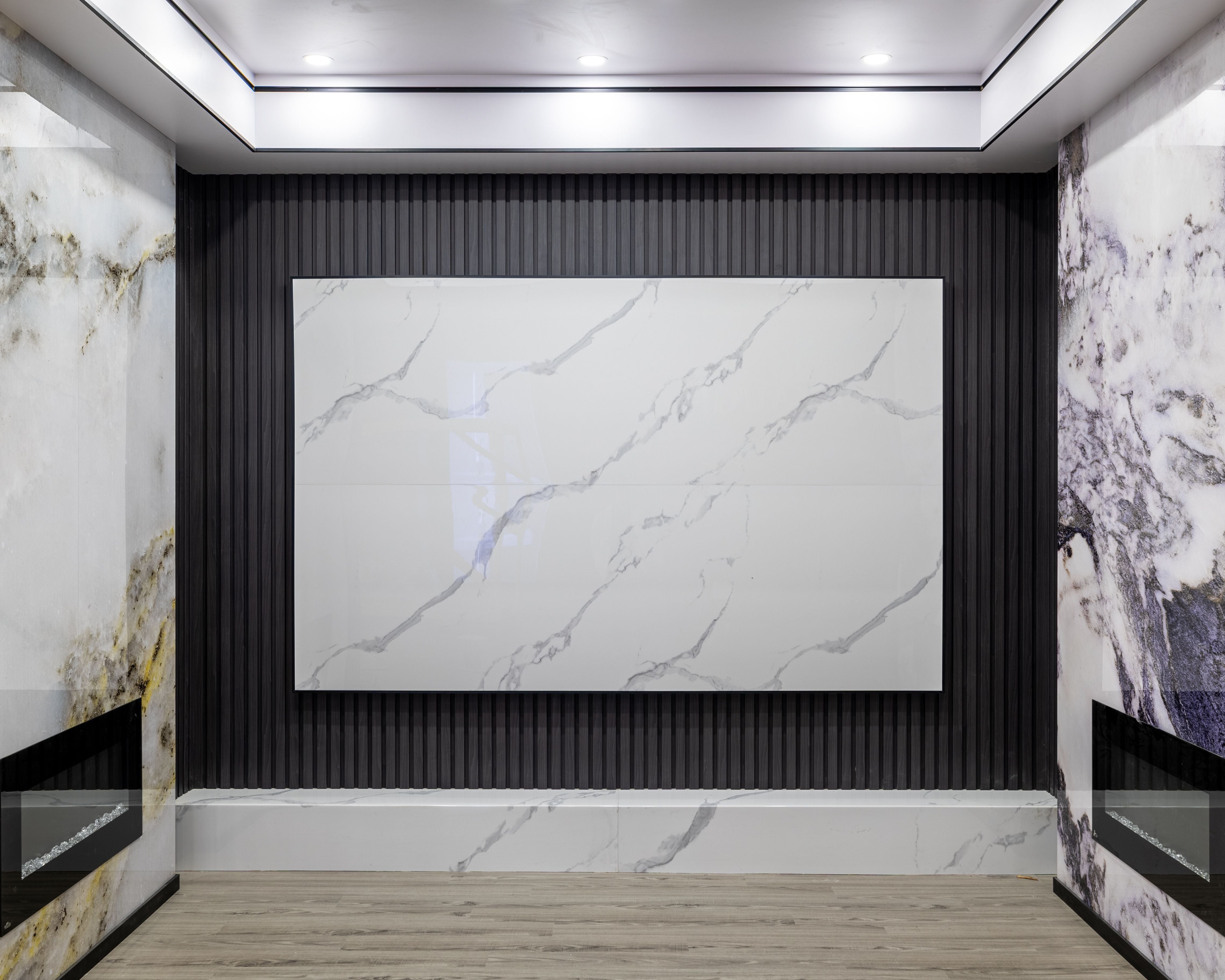


Wainscoting alternative modern wall panels & slat wall panels (Toronto)


Wainscoting Panels vs. Modern Wall Panels in Toronto
A practical comparison for today’s interiors
Over the past few months, we’ve spoken with many Toronto homeowners and contractors who initially planned to install wainscoting panels—but eventually chose modern wall panels instead.
Not because wainscoting is outdated.
But because many projects today prioritize cleaner lines, faster timelines, and finishes that look complete without relying heavily on paint.
This comparison is meant to help you decide which option truly fits your space, style, and project timeline.
What are wainscoting panels?
Wainscoting is a traditional wall treatment designed to add architectural detail and structure to interior spaces. It’s most commonly installed on the lower portion of a wall—typically between 32 and 42 inches high—with drywall and paint above. Some designs extend higher, or even full height, for a more dramatic effect.
Rather than covering a wall, wainscoting creates visual rhythm through framed sections and horizontal lines. That’s why it’s often used in entryways, stair walls, dining rooms, hallways, and living spaces where a “built-in” look is desired.
Common wainscoting styles in Toronto homes

Wainscoting isn’t a single product—it’s a family of styles. In Toronto, the most common include raised panel wainscoting for more traditional homes, flat or recessed panels for a cleaner transitional look, beadboard for bathrooms and casual spaces, and board-and-batten designs, which many people search for when they mean “modern wainscoting.”
Why wainscoting is almost always painted
Traditional wainscoting is typically built from MDF, wood panels, and trim pieces. The final look depends heavily on finishing work.
After installation, seams are caulked, nail holes are filled, surfaces are sanded smooth, and everything is primed and painted to achieve a seamless appearance. Because of this process, wainscoting is most often finished in white or light neutral tones, helping it blend into the architecture rather than stand out as a surface material.
This approach creates a timeless look—but it also means more steps, more labour, and more time.
What are modern wall panels (and why do people choose them instead)?

Modern wall panels are finished-surface panels designed to create a clean, premium wall appearance without extensive trim work or painting. Instead of building frames piece by piece, panels arrive with a consistent finish and texture across the wall.
For many Toronto projects—especially condos and commercial spaces—this approach offers a more efficient and predictable result.
Timeline and mess: where the difference really shows
A traditional wainscoting installation often involves multiple stages: cutting and fastening trim, levelling, filling and sanding, priming, and painting. If you’re aiming for a classic, built-in look, the effort can be worth it—but it’s rarely the fastest route.
Modern wall panels appeal to clients who want a finished surface from the start, fewer finishing steps, less dust on site, and a more contemporary aesthetic with consistent textures.
Many contractors install modern panels directly onto drywall using silicone adhesive applied to the back of the panel. This installation-friendly approach can significantly reduce labour time compared to traditional trim-based systems.
(Installation methods vary by project—always follow your installer’s best practices.)
Why many clients choose RichVaugh panels: two key advantages
Designed to support curves and wrapped surfaces

Wainscoting works best on flat walls and straight lines. Modern interiors, however, often include wrapped columns, rounded corners, and curved feature walls.
Our panels support bending through a method commonly used by experienced installers: grooves are cut on the back of the panel, heat is applied to allow bending, and additional grooves can be added for tighter curves. With enough grooves, smooth curved surfaces are achievable—something that’s difficult and often costly with traditional trim-based wainscoting.
ULC fire-certified options available

For projects that require fire safety documentation—such as condos, commercial spaces, or buildings with management approval processes—we offer ULC fire-certified panel options. Documentation can be provided upon request.
Which option should you choose?
Wainscoting panels are a strong choice if you’re aiming for a classic, trim-built look with painted finishes, detailed framing, and a style that suits heritage or transitional interiors.
Modern wall panels and slat wall panels are often a better fit if you want a contemporary appearance, faster installation, flexible design options (including curves), and finished textures such as wood grain, textured surfaces, or metal—especially when fire certification is required.
 Want to compare samples in person?
Choosing between wainscoting and modern wall panels is much easier when you can see textures and finishes in real life.
We’re happy to help you select the right style, plan panel layouts, confirm quantities, and provide ULC fire certification documentation when required.
Please note: we supply materials only. We don’t offer installation, but we can share installation-friendly reference information for contractors and DIY projects.
Visit our Toronto showroom or browse our collection online:
RichVaugh — Toronto Wall Panel Supplier (Materials Only)
Website: https://richvaughwallpanel.com/collections/all
Showroom: 271 Amber St, Toronto
Phone: 647-687-8329